
Your Garage Door Shouldn't Sound Like a Horror Movie
You press the button, and instead of a smooth, quiet glide, your garage door groans, squeals, or rattles its way up the track. If you've been ignoring that noise for weeks — or months — you're not alone. A lot of homeowners in Arden assume a noisy garage door is just something you live with. But the truth is, those sounds are almost always a warning sign that something needs attention.
The good news? Most garage door noises point to fixable problems. The key is understanding what each sound means so you can address it before a minor annoyance turns into a major repair bill.
Grinding or Scraping Sounds
A grinding or scraping noise when your garage door moves is one of the more concerning sounds you can hear. It usually means metal is rubbing against metal somewhere it shouldn't be.
Common causes include:
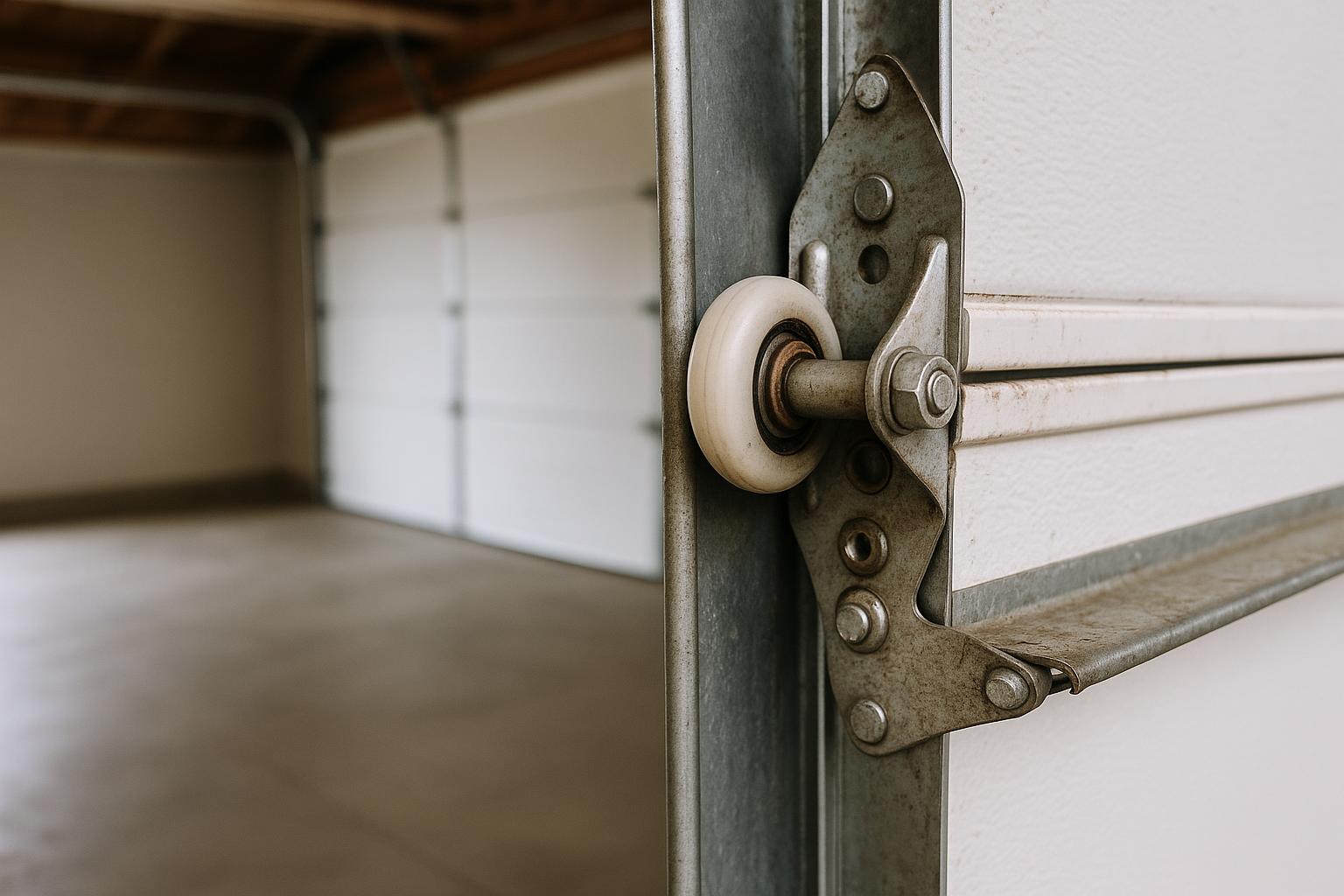
- Worn or damaged rollers: Over time, the small wheels that guide your door along the tracks can wear down, crack, or lose their bearings. Metal rollers without nylon coatings are especially prone to grinding.
- Misaligned tracks: If the vertical or horizontal tracks have shifted even slightly, the door can scrape against them as it moves. This puts extra stress on the entire system.
- Lack of lubrication: Dry metal parts create friction, and friction creates noise. Regular lubrication is one of the simplest and most effective maintenance steps you can take.
If you hear grinding, it's worth having a professional take a look. Continuing to operate a door with misaligned tracks or failing rollers can lead to the door jumping off the track entirely — a much bigger and more expensive problem.
Squealing or Screeching Sounds
A high-pitched squeal every time your garage door opens or closes is hard to ignore, especially early in the morning when you're trying not to wake the neighbors. This sound typically comes from one of two places:
- Torsion spring friction: The springs above your door are under enormous tension. When they lack proper lubrication or begin to wear, they can produce a loud squealing noise during operation.
- Dry hinges and bearings: Every pivot point on your garage door — the hinges between panels, the roller bearings, and the pulleys — needs to move freely. When they dry out, they protest loudly.
In many cases, applying a garage door-specific lubricant (not WD-40, which is a solvent, not a long-term lubricant) to the springs, hinges, rollers, and bearing plates can eliminate the squeal. If the noise persists after lubrication, the parts themselves may need replacement.
Rattling or Vibrating Sounds
A rattling garage door often sounds worse than it actually is, but that doesn't mean you should ignore it. Rattling typically points to loose hardware somewhere in the system.
Here's what to check:
- Loose nuts and bolts: Your garage door moves up and down hundreds of times a year. That constant vibration can gradually loosen the bolts on hinges, brackets, and track supports.
- A loose chain or belt on the opener: If you have a chain-drive opener, a sagging or loose chain will slap and rattle during operation. Belt-drive openers can develop similar issues if the belt stretches over time.
- Unsecured hardware on the opener unit: Sometimes the rattling isn't coming from the door at all — it's the opener motor housing vibrating against the ceiling mount.
Tightening loose hardware is a straightforward fix, but be careful around the bottom brackets and anything connected to the cable system. Those components are under high tension and should only be adjusted by a trained technician.
Banging or Popping Sounds
A sudden bang or pop during operation can be startling. This type of noise often indicates a more serious issue:
- Broken or failing torsion spring: When a torsion spring breaks, it often produces a loud bang that homeowners sometimes mistake for something falling in the garage. If your door suddenly feels much heavier or won't open at all after a loud pop, a broken spring is the most likely culprit.
- Panel stress: If your door panels are warped, dented, or damaged, they can pop or bang as they flex under the tension of normal operation.
- Opener force settings: If the opener's force settings are too high, it can slam the door into the fully open or fully closed position with excessive force, creating a banging sound at the end of each cycle.
A broken spring is not a DIY repair. The springs on a residential garage door carry enough force to cause serious injury. If you suspect a spring has broken, don't try to operate the door — call a professional right away.
How to Keep Your Garage Door Running Quietly
Most noise problems are preventable with regular maintenance. Here are a few things every homeowner in Arden can do to keep their garage door operating smoothly:
- Lubricate moving parts every six months. Use a silicone-based or lithium-based garage door lubricant on the springs, rollers, hinges, and bearing plates.
- Tighten hardware annually. Go over all visible nuts and bolts with a socket wrench. Don't adjust anything connected to the cable or spring system.
- Upgrade to nylon rollers. If your door still uses steel rollers, switching to nylon rollers can dramatically reduce noise and vibration.
- Schedule professional maintenance. A trained technician can spot worn cables, weakening springs, and alignment issues before they turn into noisy — or dangerous — problems.
When to Call a Professional
Some garage door noises are easy to fix on your own. A little lubricant or a few turns of a wrench can make a real difference. But if you're hearing persistent grinding, sudden banging, or any noise that comes with visible damage or changes in how the door operates, it's time to bring in someone who knows the system inside and out.
At Arden Garage Door, we help homeowners throughout Arden, Asheville, Fletcher, and the surrounding communities diagnose and fix noisy garage doors every day. Whether it's a simple tune-up or a roller and spring replacement, we'll figure out what's causing the racket and take care of it so you can open and close your door without waking up the whole street.
If your garage door has been making a sound that doesn't seem right, don't wait for it to get worse. Give us a call and let's get it sorted out.